
 February 26, 2018 | Israeli-founded Argus Cyber Security, acquired late last year by German auto giant Continental AG for over $400 million, announced that it was collaborating with Stockholm-based communications giant Ericsson to provide protection for “the connected automotive ecosystem – across vehicle cloud services, fleets and vehicles.” The partnership will include integrating Argus Security Operation Center, a platform that provides parts and equipment manufacturers and fleet managers with situation awareness of potential threats, with Ericsson’s Connected Vehicle Cloud platform to provide automakers with an additional powerful layer of security, Argus announced in a statement. “The combined insights equip automakers with actionable intelligence derived from big data analysis across millions of connected vehicles and their cloud services to identify the first signs of an attack campaign and mitigate its damage by immunizing the fleet in hours,” Argus said. “Together with Ericsson, we are helping automakers ensure the security and privacy of their customers through comprehensive cyber security solutions and services, while simultaneously maintaining consumer trust and brand identity,” said Yoni Heilbronn, chief marketing officer at Argus Cyber Security. Argus and Ericsson will be showcasing their collaboration at the Mobile World Congress 2018 in Barcelona this week.
News Briefs

Argus Cyber Security, Ericsson To Collaborate On Protection Across Connected Services And Vehicles

TytoCare Partners With Israel’s Clalit Health Service Organization
 February 25, 2018 | Clalit Health Services, the largest of Israel’s four state-mandated health service organizations, announced a partnership last Thursday with TytoCare, the Israeli telehealth company with a technology that conducts medical examinations and telehealth services remotely through a device, according to a statement from the health service. According to the agreement signed by both companies, Clalit’s patients will be able to perform basic exams such as checking temperature, ears, throat, lungs, and heart using Tyto Care’s compact handheld device. The handheld device offers monitoring and heat measurements in remote locations, outside of the doctor’s office, with the transmission of medical data through an application that connects the patient with a doctor diagnosis and treatment. Clalit is the first health organization in Israel and one of the first in the world to offer medical and health services using Tyto Care’s device. The signing of the agreement with Tyto Care adds a new dimension to our online services. Now our customers will be able to carry out tests from home and consult with the doctor remotely, thus saving access to clinics in situations where this is not necessary,” says Noaz Bar Nir, general manager of Clalit, according to the statement. A pilot using the technology will be launched in the next few days for selected patients and at selected clinics who use Clalit. The device will be available for general customers in June 2018.

TechCrunch To Host Tel Aviv Tech Conference On Mobility
 February 22, 2018 | TechCrunch, a leading US-based publisher of tech industry news, announced that it will be hosting a one-day conference focused on mobility in Tel Aviv this summer, after organizing two events – a Pitch-Off and a Meet-Off – in the city in 2016. “We’re ready to dig deeper into the tech that is coming out of Israel, focusing on mobility,” says TechCrunch senior writer Romain Dillet, who announced the upcoming event, set for June 7. “The mobility industry is ripe for disruption. It is gaining speed in astonishing ways and Israeli tech is on the forefront,” says the event page. The conference will include an exhibition area for startups to demo their products.

UpWest Labs Launches New $18M Fund To Bring Israeli Entrepreneurs To US
 February 22, 2018 | Palo Alto-based venture firm UpWest Labs announced last week that it raised $18 million for a new fund, UpWest Fund III, aimed at attracting Israeli startups in their seed or early-seed stages to the US for “product validation and customer momentum.” UpWest Labs says it will work with a select group of founders in their early stages to provide market insights and enough financial backing to start gaining US customers. UpWest Labs was among the first investors in dozens of Israeli startups, including SentinelOne, Airobotics, Honeybook, and CyberX. UpWest founders Shuly Galili and Gil Ben-Artzy tell TechCrunch that they target at least eight percent ownership at the outset. They also say they love to partner with startups “at a frighteningly early stage” where little more than a prototype may exist. The firm says it has “the largest portfolio of Israeli startups headquartered in the US.”

EL AL Venture Fund Cockpit Innovation Partners With Boeing
 February 21, 2018 | Cockpit Innovation, a venture fund of EL AL Airlines, has partnered with Boeing, the American aircraft manufacturing giant, according to a statement from EL AL. Boeing and Cockpit Innovation plan to identify, support, and scale groundbreaking technologies for potential application in the aviation and aerospace industries. The partnership will also “help further the mutual mission to enable disruptive technologies that could play a role in shaping the future of travel, aviation, and aerospace, including Boeing’s products and operations,” the statement said. “Combining the wealth of industry knowledge and venturing expertise of both Boeing and Cockpit with new technologies will enable amazing new opportunities for startups in the fields of Travel, Aviation, and Aerospace,” Gonen Usishkin, CEO of EL AL Israel Airlines added. Cockpit seeks out and supports innovative startups in aviation, travel, and aerospace. Recently, the industry venture fund backed eight in various sectors. The fund also serves as a bridge between the startup community and leaders in the aviation and travel industry.
[sharethis-inline-buttons]

Moovit Raises $50M In Funding Round Led By Intel, Will Partner With Mobileye
 February 21, 2018 | Israeli public transit company Moovit has raised $50 million in a Series D funding round led by Intel Capital, the investment arm of Intel, the company announced. The Moovit app provides real-time information on the fastest public transportation routes (buses, trains and underground) and has 120 million users in 80 countries. Mobileye, the Israeli-founded company that developed sensors for self-driving cars and which was acquired by Intel for over $15 billion, will be partnering with Moovit to incorporate its public transport data into Mobileye’s navigation system. Mobileye co-founder Amnon Shashua, senior vice president at Intel Corporation, and CEO/CTO of Mobileye is joining Moovit’s Board of Directors as an observer, Moovit said in a press release. The company said all of its earlier investors including Sequoia, BMW iVentures, NGP, Ashton Kutcher’s Sound Ventures, BRM, Gemini, Vaizra, Vintage participated in the funding round, as well as newcomer Hanaco. Shashua said in a statement, “Moovit is one of the world’s leaders in public transit data and analytics.The combination of Mobileye’s and Moovit’s technology and data will be instrumental in making cities ready for autonomous vehicles.” Nir Erez, Moovit co-founder and CEO, said, “Moovit expects to surpass 1 billion users by 2021 and to expand significantly the number of cities that use Moovit’s data analytics to improve urban mobility. We are especially thrilled about our plans to collaborate with Mobileye. It’s a synergistic relationship at an exciting time to be shaping the future of urban mobility.”

Israeli Digital Wallet Startup Colu Raises Over $20M In ICO
 February 21, 2018 | Israeli digital wallet startup Colu has raised over $20 million in an initial coin offering (ICO), a means of crowdfunding via cryptocurrency, of its own cryptocurrency, Geektime reports. The Tel Aviv-based company, which uses blockchain technology to create local digital currencies, like its cryptocurrency Colu Local Network (CLN), has also raised $8.5 million in a round of financing with investors. Colu’s CLN currency allows local banks to perform financial transactions like currency conversion, payments, and loan services, using blockchain technology as a way to connect communities around their local digital currency. Colu first announced plans to raise funds in ICO in November 2017, although their original plan was to raise about $50 million. Colu was founded in 2014 by Amos Meiri, David Ring, and Mark Smargon and has offices in Tel Aviv and London.

German Firm Merck Sets Up $25M Fund To Tap Into Israeli Biotech Startups
 February 20, 2018 | German science and tech company Merck announced the foundation of a pre-seed-investment fund of $25 million to tap into young Israeli biotech startups. The fund was set up in collaboration with China’s Wuxi Apptec, Arkin Bio Ventures, and Pontifax Fund. The fund, ExploreBio, plans to invest between $1.23 million to $1.75 million each in approximately four companies per year over five years. Merck has two tech incubators in Israel, one for medical ventures and another for next-generation electronics. The company employs 300 people in the country, a majority of them scientists. All three of its business sectors, Healthcare, Life Science and Performance Materials, have R&D sites in Israel. “Israel’s start-up spirit is unique and so inspiring. We are proud to be an active part of this great success story. Now we are taking a next important investment step as we believe in the innovative potential of ExploreBio,” said Stefan Oschmann, Chairman of the Executive Board and CEO of Merck, in a statement.

Booking.com To Host Accelerator Lab For Travel Tech Startups In Tel Aviv
 February 20, 2018 | Booking.com, one of the biggest travel and airfare aggregator companies in the world, announced that it would hold a three-day accelerator program next month in Tel Aviv for Israeli, Italian, Romanian and Greek early-stage startups. Nine participating startups, six of them Israeli, will attend Booking.com’s Booster Lab at the Mindspace building in Tel Aviv from March 6-8 for workshops and mentoring sessions with the company’s experts. The startups also have a chance to pitch their plans for grants between $12,000 and $30,000. David Vismans, Chief Product Officer at Booking.com, said in a statement, “We are excited to be hosting these inventive startups at our Booster Lab in Tel Aviv next month. These intensive programs enable us to connect with, inspire and ultimately fund some of the next great innovations in sustainable tourism.” The six Israeli startups taking part in the program are bitemojo, which developed an app that offers off-the-beaten track food experiences; Knowers, a travel platform that connects travelers with locals for information; FarmGuests, a platform that allows rural tourists and agribusiness owners to connect; accessibleGO, a platform for travelers with disabilities; paratek, a company offering services that make treks and outdoors activities accessible to the physically impaired; and Trailze, a platform for the less adventurous who still want to enjoy the outdoors. The three other participating startups are Romania’s Questo, an app that offers city tours created by locals, Italy’s Citynsider, a community of travelers who share tips on cities, and Greece’s Lightheat, which appears to be a solar energy company.
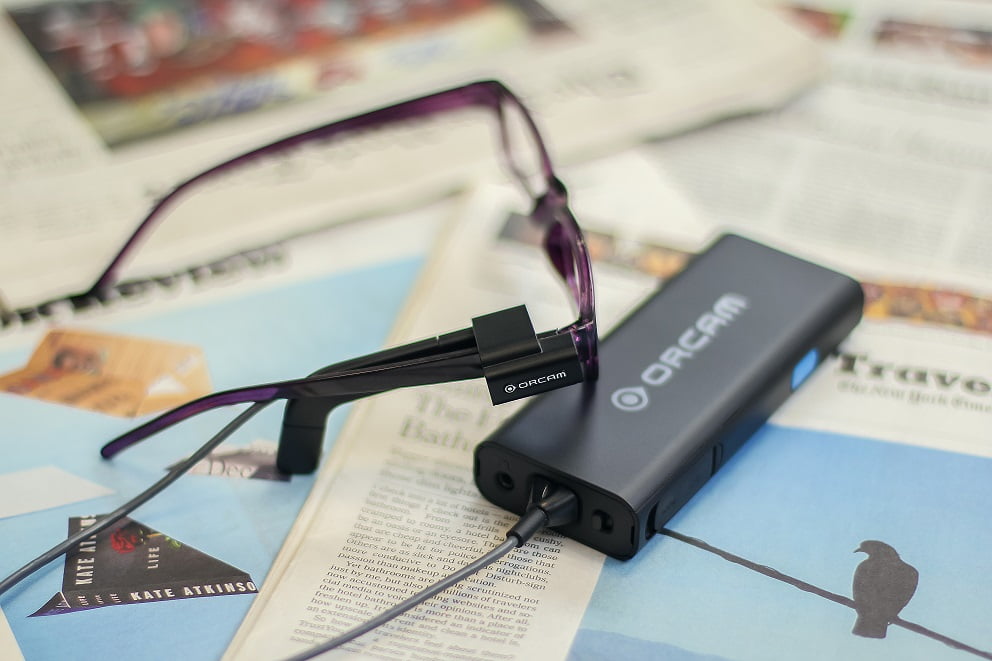
Israeli Visual Assistance Company OrCam Valued At $1B
 February 20, 2018 | Israel visual aid company OrCam, which has developed a wearable and portable device that attaches to the frames of eyeglasses to assist those that have lost their vision, has completed a funding round that currently values the Jerusalem-based company at $1 billion, CEO Ziv Aviram announced Tuesday, according to Reuters. This puts them on the path towards a planned initial public offering (IPO), Aviram said. The company raised $30.4 million by selling a 3 percent stake to investors like Israel’s Clal Insurance and Meitav Dash. This brings OrCam’s total amount raised to $130.4 million thus far. The successful funding round was announced at the same time as the launch of the newest version of OrCam’s wireless smart camera, which attaches to glasses. The camera reads texts, barcodes, and even has facial recognition features, speaking the information into the ear of the user. OrCam was developed by Aviram and Amnon Shashua, the same Israelis who founded Mobileye, a company that has developed a vision-based technology that provides driver assistance for autonomous vehicles and was acquired last year by digital tech giant Intel for $15.3 billion in Israel’s biggest exit to date. Aviram also said that he estimates OrCam’s growth to surpass the success of Mobileye. “I think the potential for OrCam is even bigger than Mobileye,” he told Reuters, “This technology is endless. We just started to understand the tip of the iceberg of what can be done.” In a year, the company hopes to raise an additional $100 million from global funds before going public in the U.S. He hopes by then the company will be valued between $1.5 – $2 billion before it is listed on the U.S. exchange. OrCam’s customer base is expected to expand to include those suffering from dyslexia or general fatigue while reading, according to Aviram, with the company beginning to yield a profit in 2019.
[sharethis-inline-buttons]

Israeli Cybersecurity Startup MorphiSec Raises $12M
 February 19, 2018 |Israeli cybersecurity startup Mophisec raised $12 million in a Series B funding round led by Orange Digital Ventures, the multinational’s early-stage fund focused on fintech. Also participating in the round were existing investors Jerusalem Venture Partners, GE, and Deutsche Telekom. The Beersheba-based company, founded in 2014 after growing out of Ben Gurion University’s Cyber Research Labs, developed a patented Moving Target Defense which is the foundation of its Endpoint Threat Prevention solution. The company says it “prevents threats others can’t, including APTs, zero-days, ransomware, evasive fileless attacks and web-borne exploits.” Morphisec President and CEO Ronen Yehoshua said in a statement. “We built Morphisec to become an essential part of every company’s security and IT operation, and to defeat attacks that other endpoint technology cannot.” The company plans to use the funds to expand its teams and build its business globally, Reuters reported.
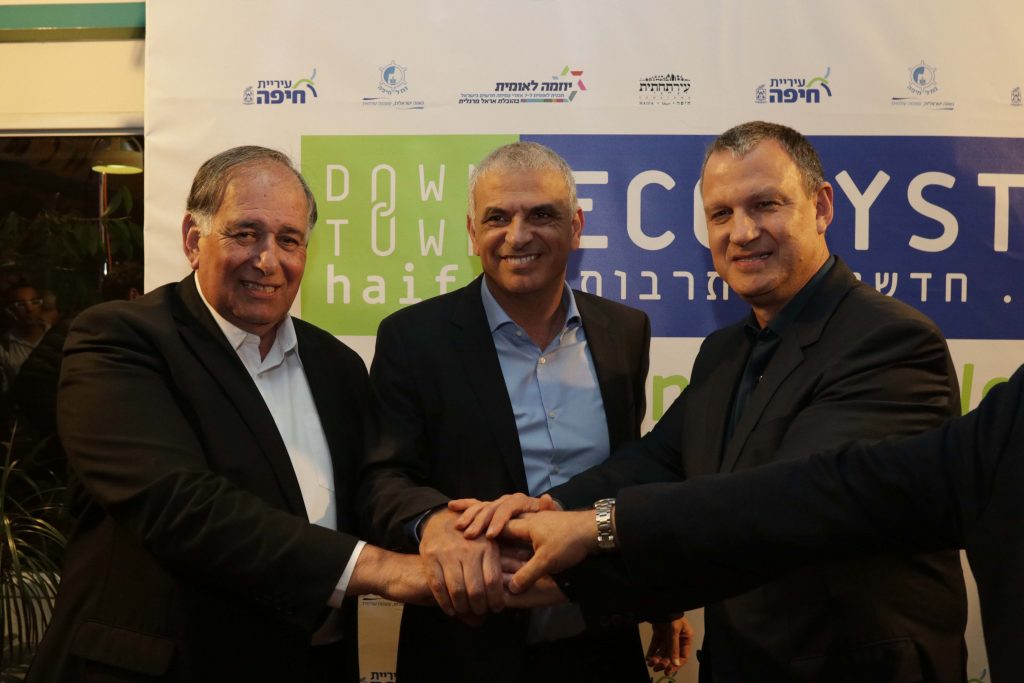
Ecosystem Haifa 2018 Focuses On City As Center Of Digital Health Innovation
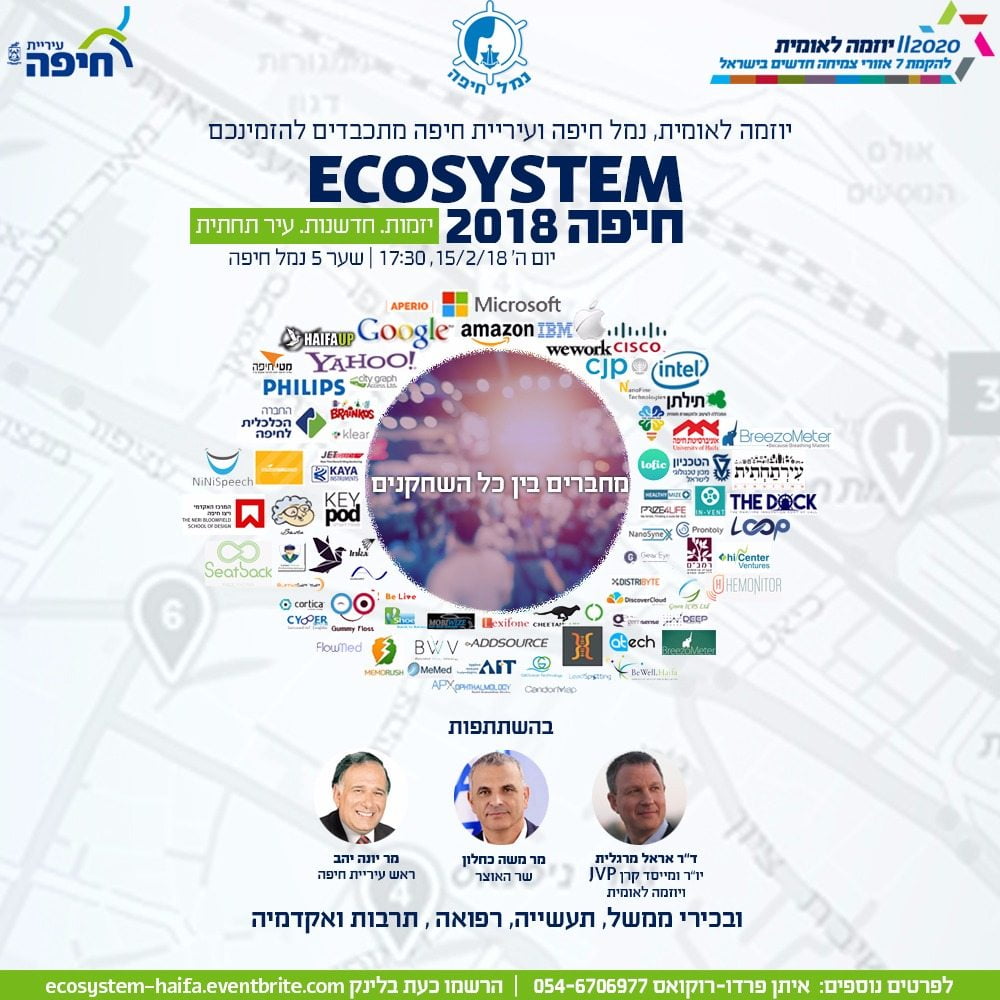 February 19, 2018 | Over 500 senior high tech executives, health professionals, academics, government officials and entrepreneurs attended the Ecosystem Haifa 2018 conference last week to focus on Haifa as a center of innovation and entrepreneurship as well as a global leader in the field of digital healthcare. The conference was led by former MK Erel Margalit’s National Initiative organization, the Haifa municipality, and the Haifa port, in cooperation with Haifa mayor Yona Yahav and Brad Bloom of the Boston-Haifa Connection, and with participation from global, high tech, research, academic and cultural institutions operating in Haifa. The conference, hosted by Margalit, is part of the Israel Initiative 2020 (ii2020), Margalit’s vision to create dynamic centers of excellence in seven regions throughout Israel with the goal of raising the standard of living and attracting employment, young professionals, and new families while also developing a regional ecosystem. “Haifa has pioneering research institutions, one of the world’s leading medical companies, the presence of multinational companies and a flourishing entrepreneurial scene – combining these four elements together, around the digital health field can create thousands of jobs here,” Margalit said, according to a statement. According to Margalit, Haifa has revolutionized its lower city and he “has no doubt” it will do the same with its downtown area. Finance Minister Moshe Kahlon opened the conference, announcing that the Ministry of Finance will be a full partner in the vision to transform the lower city into a center of innovation of entrepreneurship in the field of digital health. He also announced that American multinational corporation Intel will soon invest billions in expanding their production in Israel. This week, Globes reported that Intel is expected to invest between $4 to $5 billion into its expansion in Israel and that Kahlon made the announcement after receiving confirmation from Intel. Kahlon later revealed that Intel affirmed the planned investment with a positive response to a package of benefits they would be offered in exchange for the deal. At the conference, Intel Israel CEO Yaniv Gerti noted that more than 5,000 people are currently employed at the Intel branch in Haifa and that Intel will be expanding in the city and the region. He said that “the ecosystem created in Haifa provides us with a great environment for expanding activity and creating more jobs.” WeWork Israel CEO Benji Singer unveiled that WeWork is set to establish two WeWork facilitated spaces in the lower city and another one in a location that has not yet been revealed. Professor Rafi Beyar, director of Rambam Health Care Campus, also emphasized that Rambam wants to “bring down the barriers between medicine and research,” according to the statement, ” by connecting medical research to technology, digital health, and high tech leaders in the city.
Intel Expected To Invest Up To $5B To Expand Production In Israel
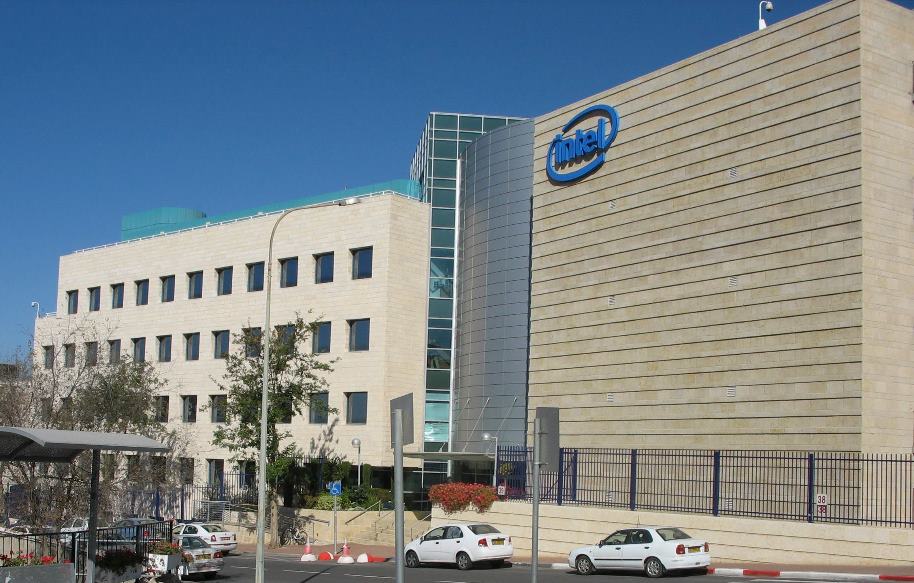
 February 18, 2018 | American multinational corporation and technology giant Intel, which last year acquired Israeli startup Mobileye for $15.3 billion in Israel’s biggest high tech exit to date, is expected to announce an estimated $4 to $5 billion investment into expanding its production in Israel, Globes reports. Finance Minister Moshe Kahlon told the Knesset Finance Committee of Intel’s intentions today and said last week he had “received confirmation about this from Intel,” Globes said. Kahlon had already mentioned the planned investment last week at the Ecosystem Haifa conference, which led to speculation about the investment, and later admitted he wouldn’t have spoken about it without the approval of Intel. According to Globes, Kahlon revealed the planned investment upon receiving a positive response from Intel about a package of benefits it would receive in exchange for the investment. The agreement between Intel and the Israeli government will be presented to a committee of three including the Finance Minister Kahlon, Minister of Economy Eli Cohen, and the head of the Israel Tax Authority. Sources told Globes they believe the package includes 20 to 30 percent of the investment to be in Israeli government grants and will probably include an upgrade of chip fab technology in Kiryat Gat, one of the world’s most advanced chip fabs.

Tel Aviv-Based Silverfort Wins Top Spot In Cybersecurity Excellence Awards
 February 16, 2018 | Israeli cybersecurity company Silverfort won the top spot in the Cybersecurity Excellence Awards’s Multi-Factor Authentication category, the company announced. The annual awards “honor individuals, products and companies that demonstrate excellence, innovation, and leadership in information security.” The Tel Aviv-based company, founded in 2016, developed a “platform that can seamlessly deliver strong authentication to every sensitive user, device and resource, across on-premise, cloud and hybrid environments,” without changes to user devices and servers. Silverfort co-founder and CEO Hed Kovetz said in a statement that the company was “honored to receive this award, which further validates our vision. We believe that user authentication must be reinvented to fit the current technology environment. Regular authentication solutions can no longer handle the scale, diversity and dynamic nature of today’s networks – integration becomes endless and many sensitive resources are left exposed. We present a new breed of authentication products that can instantly apply strong authentication across entire networks and cloud environments.”
Subscribe to our weekly newsletter: Sign up here for free
[sharethis-inline-buttons]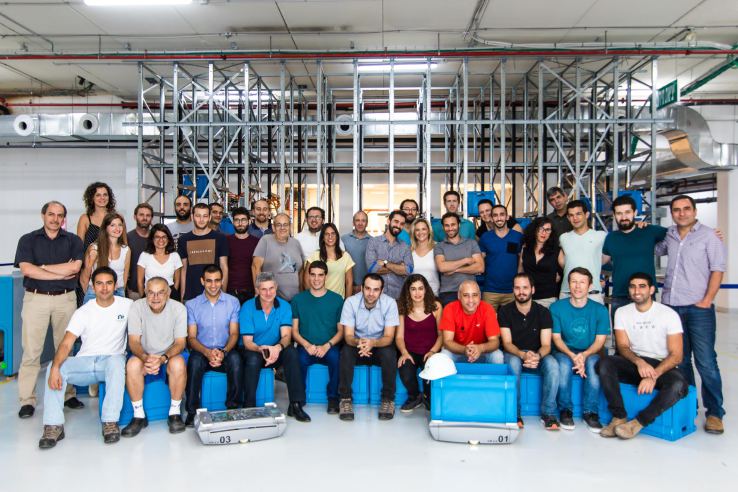
Israeli Startup CommonSense Robotics Raises $20 Million
 February 16, 2018 | Israeli startup CommonSense Robotics announced that it raised $20 million in a Series A funding round this week led by Playground Global, and previous investors including Aleph VC and Eric Schmidt’s Innovation Endeavors. The Tel Aviv-based company aims to help online grocery retailers offer on-demand, one-hour deliveries using robotics and artificial intelligence. The funds will be used to expand the startup’s global operations. The company says its solutions enable retailers to shorten the supply chain with Micro-Fulfillment-Centers where robots sort and process inventory, and which are in close proximity to customers. CommonSense Robotics CEO and co-founder Elram Goren tells Techcrunch, “Our AI software breaks the order down into robot tasks, and finds the right robots to complete those tasks. We have robots that are capable of moving boxes (totes) around extremely efficiently and at high speeds. Our various types of robots will bring the right totes of products to a stationary human ‘picker’ who in turn packs the order, which is then sent by robots towards the delivery interface where orders are packed into a van or scooter for dispatch”. The company is set to deploy the robots in its first fulfillment center in Tel Aviv over the next three months, VentureBeat reports citing a statement from CommonSense, with plans to launch five spaces in the US and the UK in 2018.
